Kannavi is a Japanese shrine database built on a rule we publish, not on tradition we assume.
Every shrine on this site is assigned one of five elements — Earth, Water, Fire, Wind and Void —
and the reasoning behind each assignment is printed on the page itself.
Lists that say “this shrine is a water shrine” are everywhere in English, and almost none of them
say why. We would rather be checkable than authoritative: where the enshrined deity cannot be traced to a
recorded category, we leave the element undecided and say so.
Shrines
Individual shrines, each with access from the nearest station, the enshrined deity, the etiquette specific
to that shrine, and the full reasoning for its assigned element. Pages are being added one at a time.
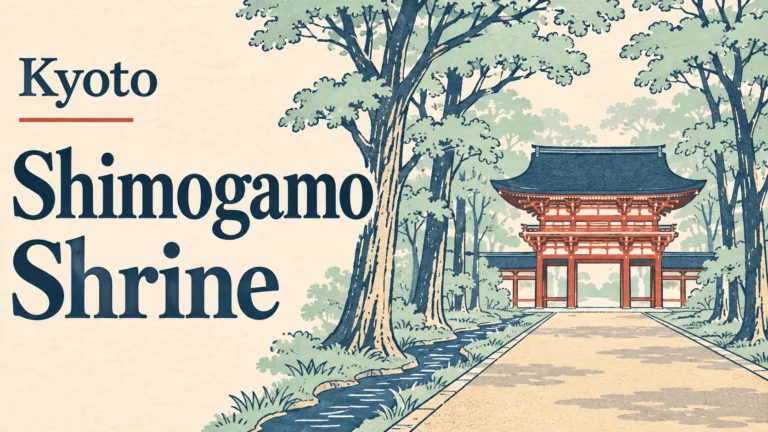
 Shimogamo Shrine Kyoto: History, Tadasu Forest and Access
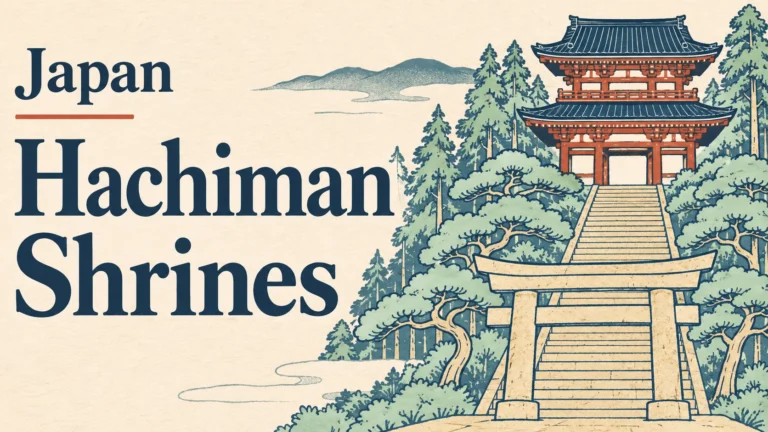
- Hachimangu Explained: Kamakura, Usa, Iwashimizu and Hachiman
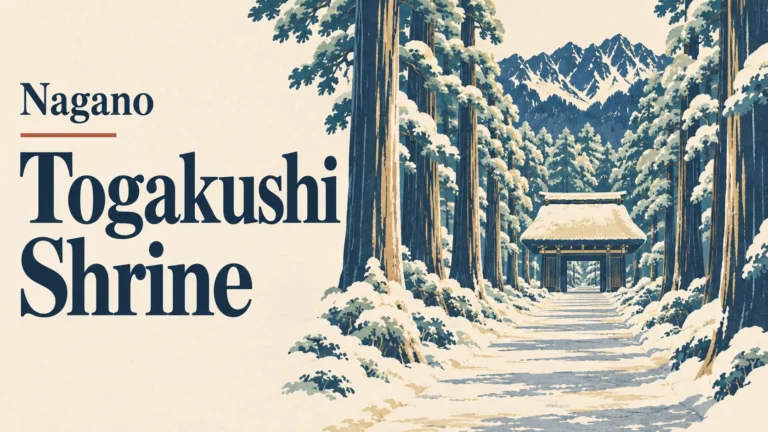
- Nagano to Togakushi Shrine: Bus, Fares, Five Shrines, Winter
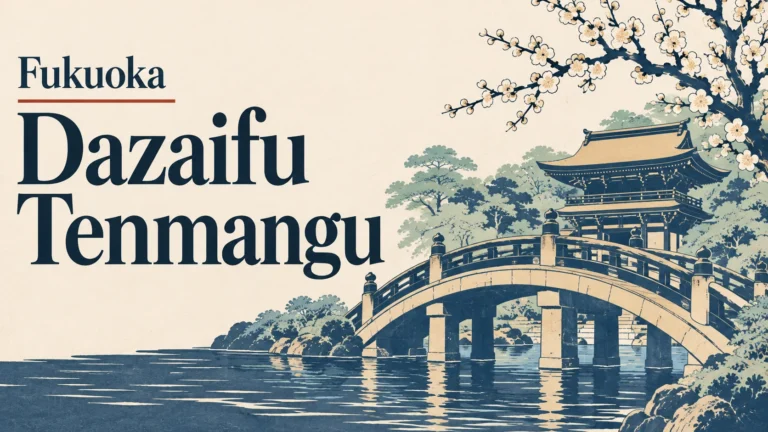
- Dazaifu Tenmangu Shrine: Tenjin, Access, Hours and Element
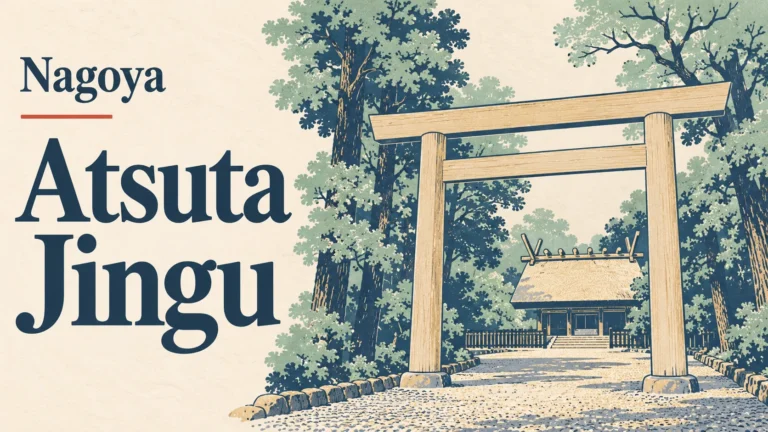
- Atsuta Jingu Shrine: Sword, Access, Etiquette and Element
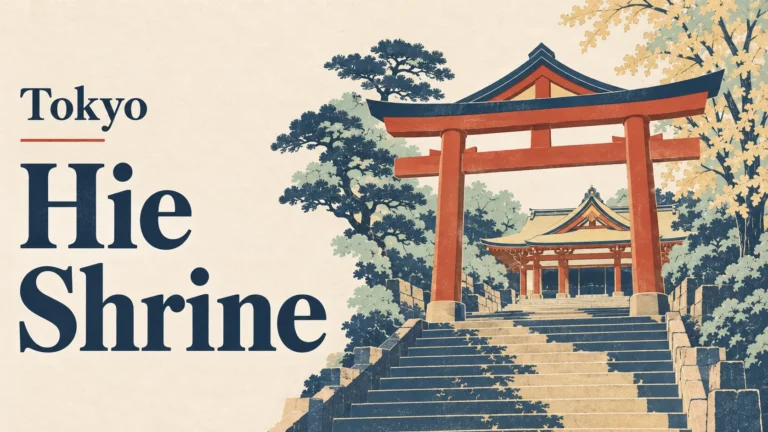
- Hie Shrine Tokyo: Monkeys, Sanno Torii, Hours and Access
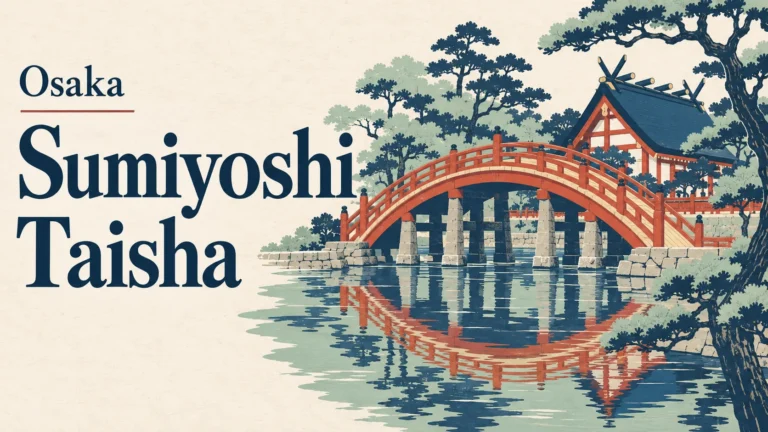
- Sumiyoshi Taisha: Osaka’s Sea-God Shrine, Hours and Access
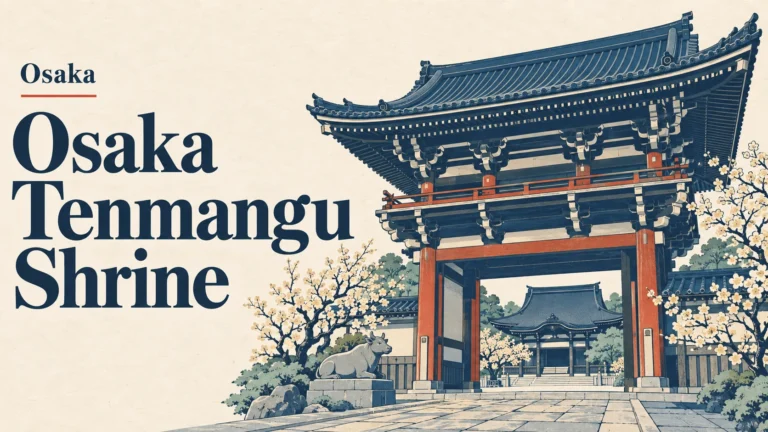
- Osaka Tenmangu Shrine: Tenjin Matsuri, History and Access
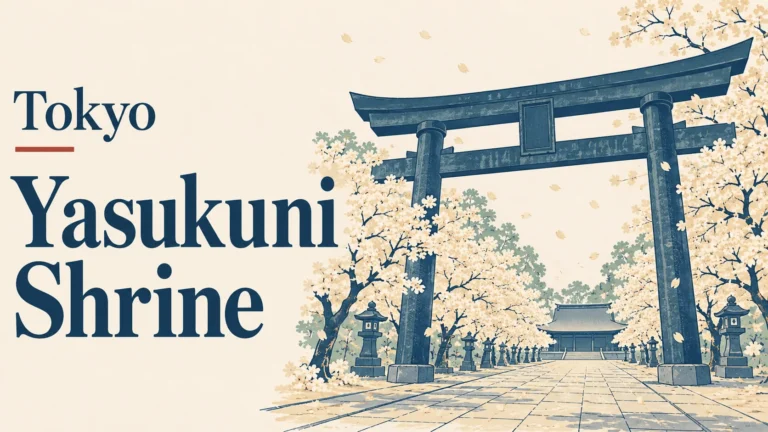
- Yasukuni Shrine, Tokyo: History, Controversy, Hours, Access
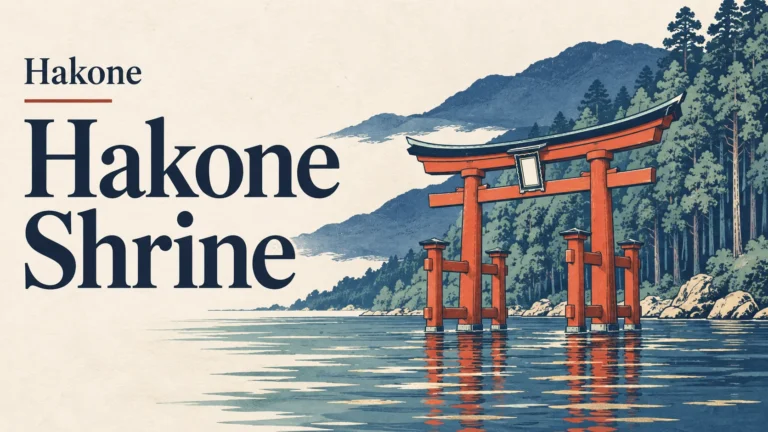
- Hakone Shrine: Lake Torii, Access, Hours and Its Element
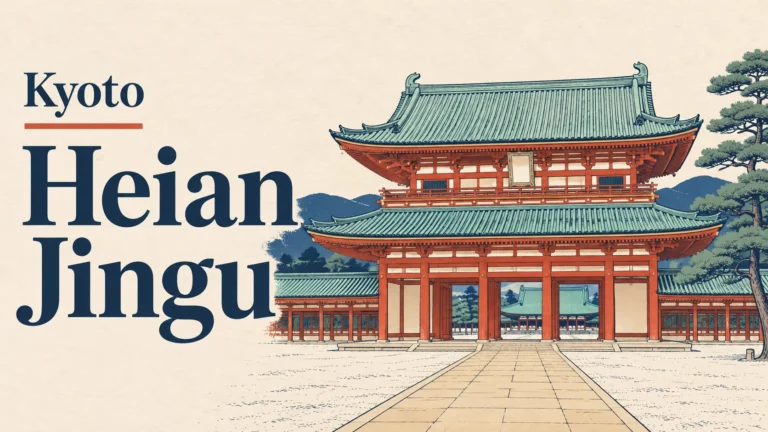
- Heian Jingu Kyoto: Hours, Garden, Access and Its Element
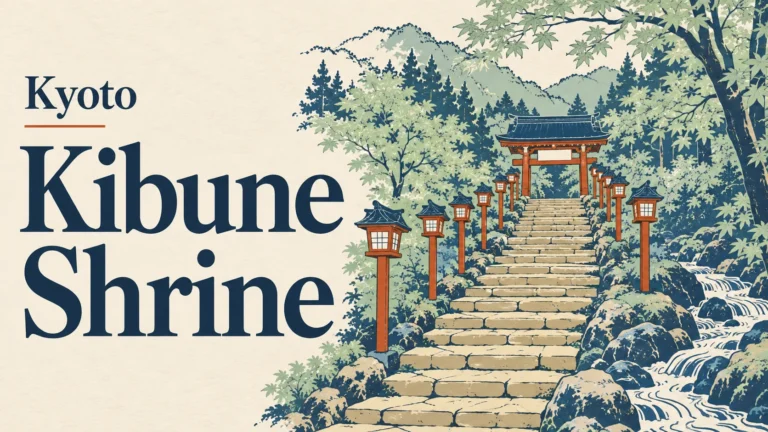
- Kibune Shrine Kyoto (Kifune): Access, Hours and Its Element
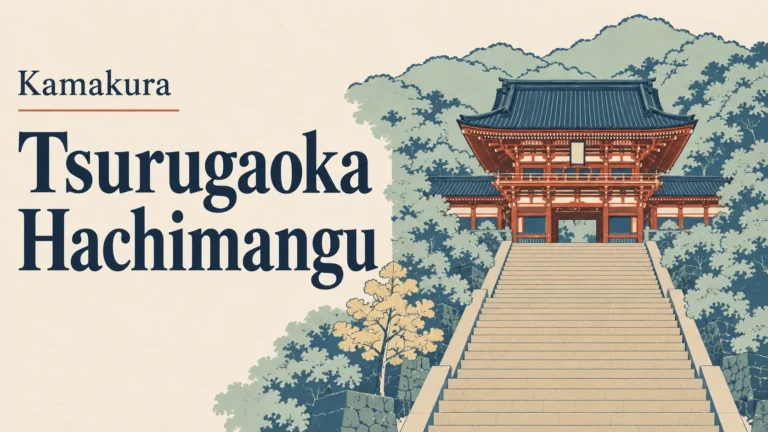
- Tsurugaoka Hachimangu Kamakura: Hours, Fees and Its Element
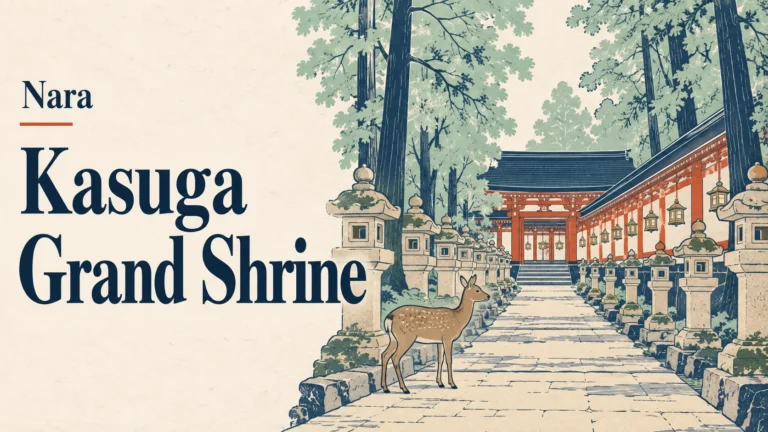
- Kasuga Grand Shrine Nara: Lanterns, Tickets and Its Element
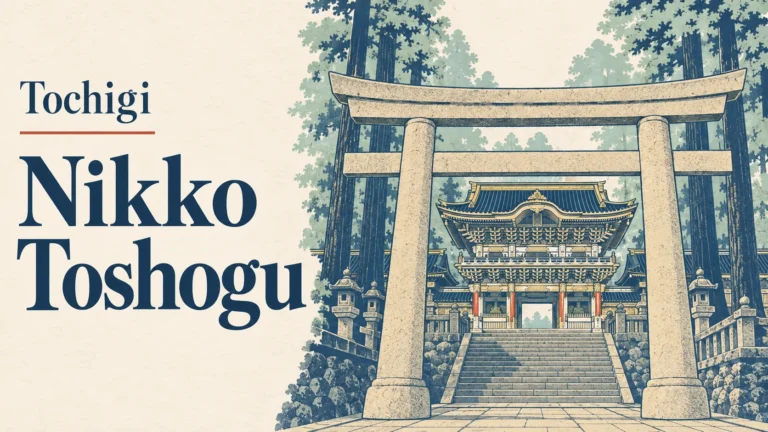
- Nikko Toshogu Shrine: Tickets, What to See and Its Element
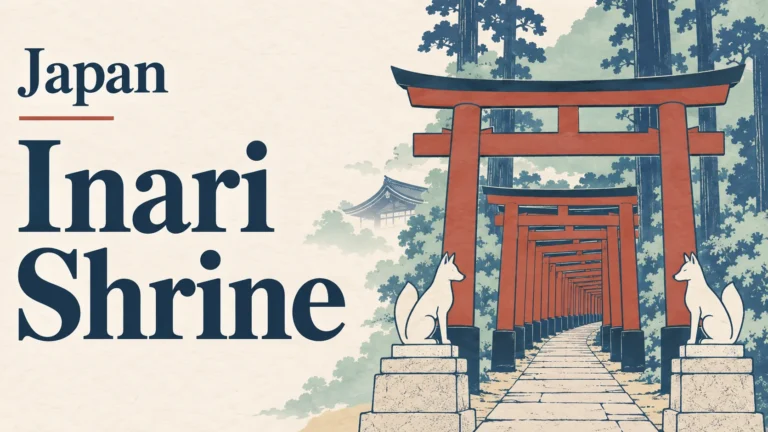
- Inari Shrine: The Fox, the Red Torii and Its Element
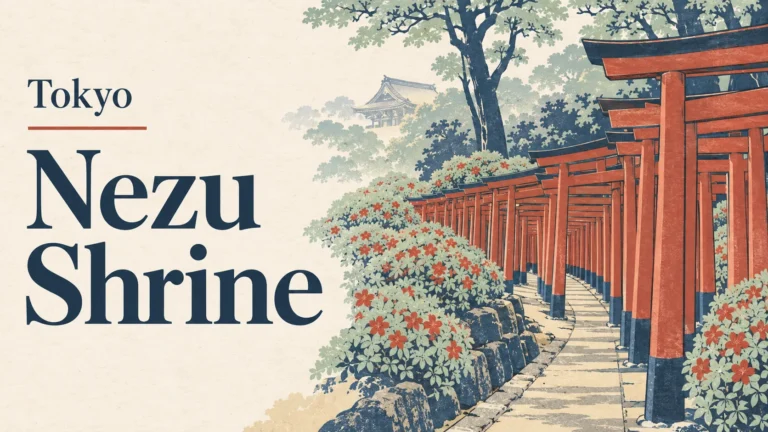
- Nezu Shrine in Tokyo: Azaleas, Access and Its Element
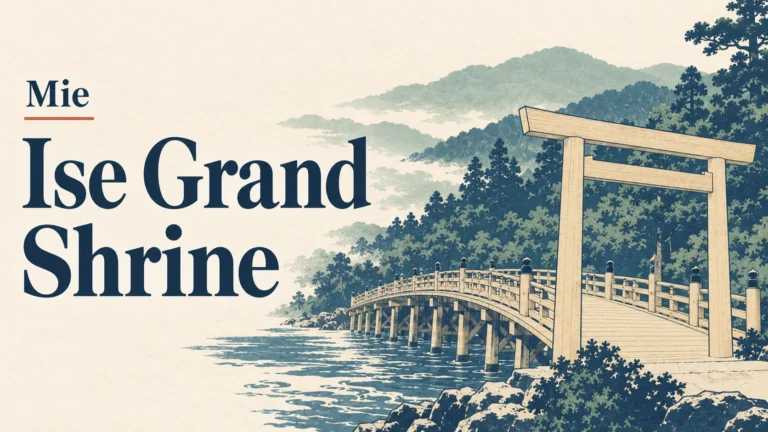
- Ise Grand Shrine: Naiku, Geku, Access and Their Elements
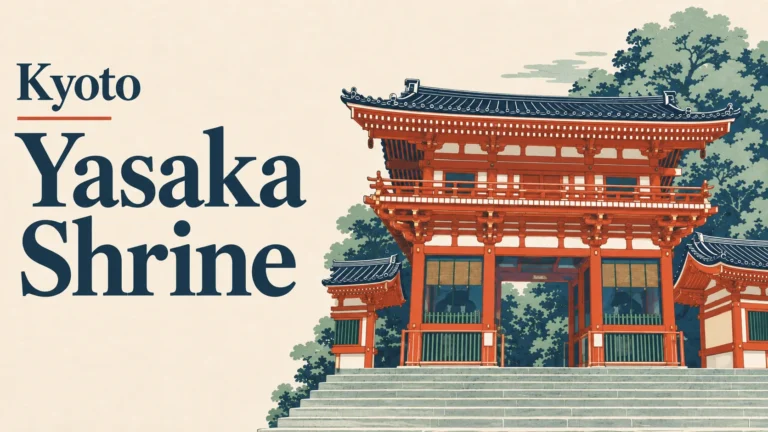
- Kyoto Yasaka Shrine: Access, Gion Matsuri and Its Element
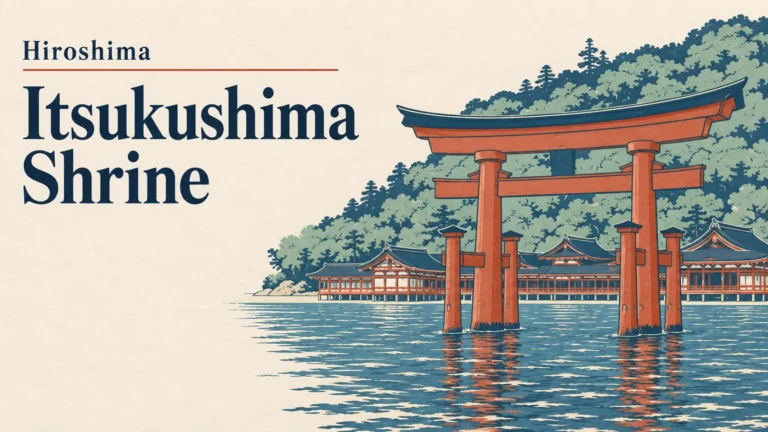
- Hiroshima Itsukushima Shrine: Tides, Access and Its Element
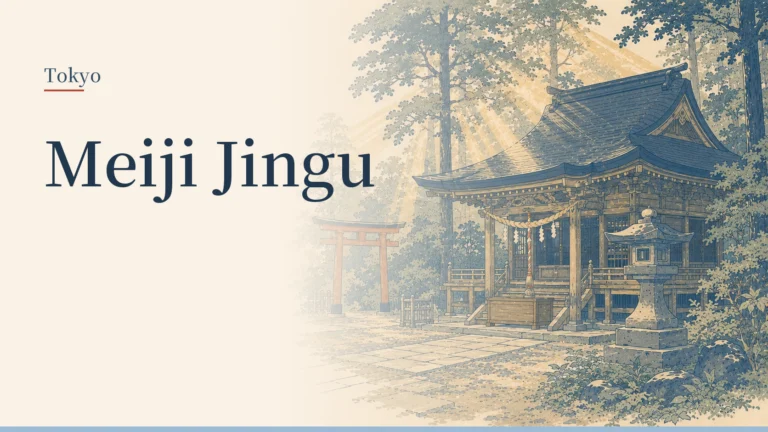
- Meiji Shrine Tokyo: Access, Etiquette and Its Element
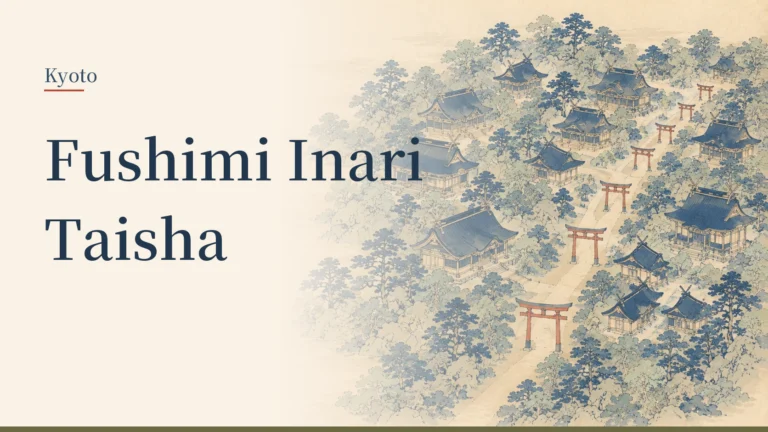
- Fushimi Inari Taisha: Access, Etiquette and Its Element
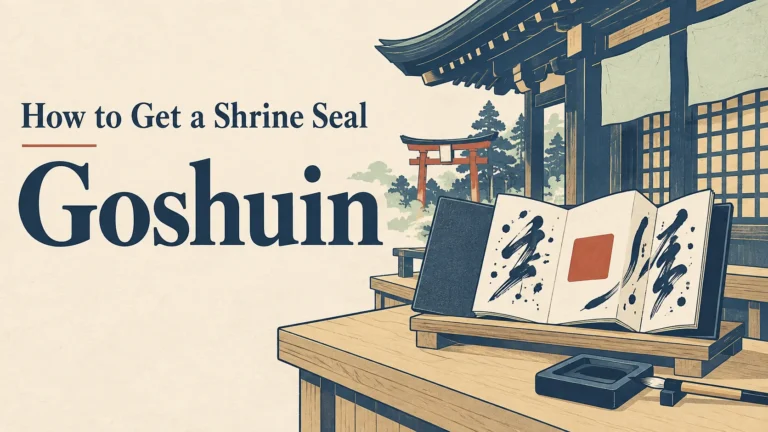
- Goshuin: How to Get a Shrine Seal, Costs and the Goshuincho
By area
Which shrines sit close enough to visit in one morning, and in what order the walk makes sense —
Tokyo, Kyoto, Nara, Osaka, Hiroshima and further out.
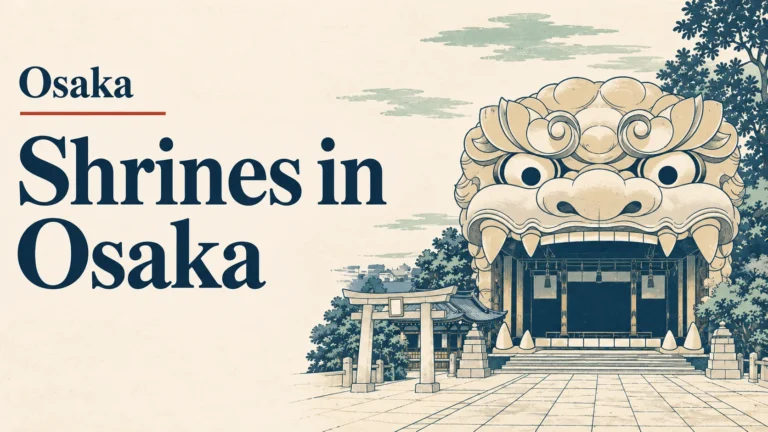
- Namba Shrine Osaka: The Lion Head and Nine More Shrines
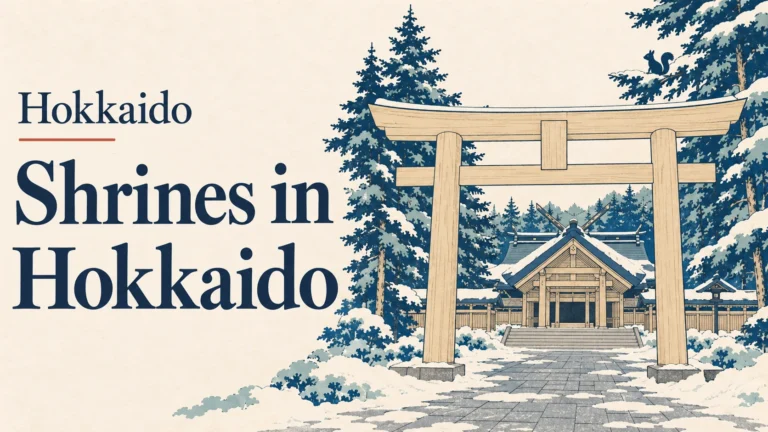
- Shrines in Hokkaido: Hokkaido Jingu and Nine More to Visit
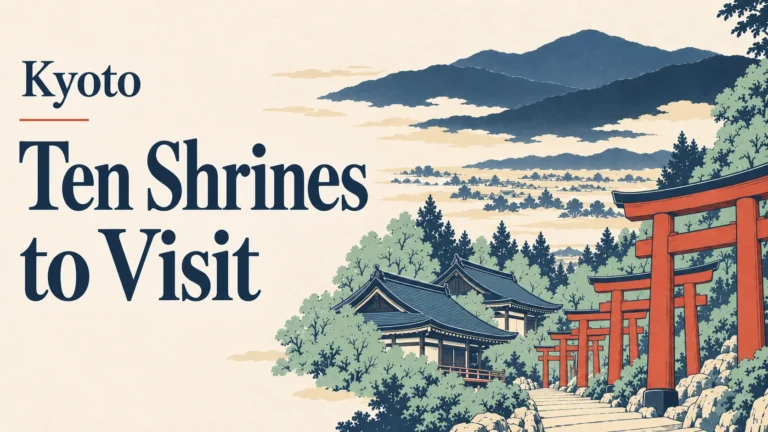
- Shrines in Kyoto: 10 to Visit, From Fushimi Inari to Kibune
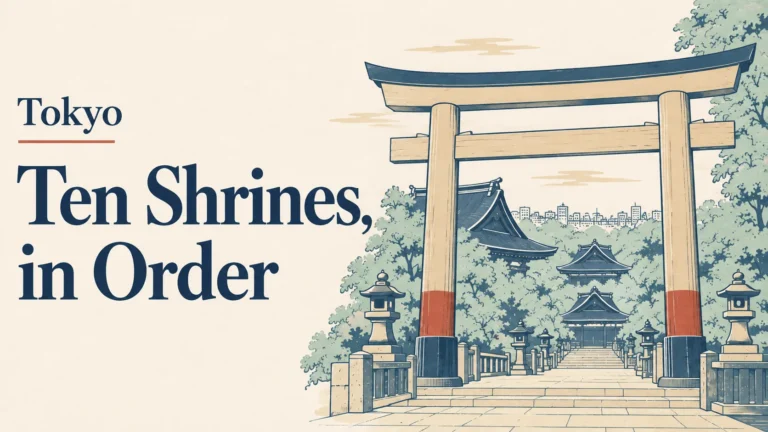
- Shrines in Tokyo: Asakusa Shrine and 9 More, in Order
Goshuin
A goshuin is a seal and calligraphy given at a shrine office as a record of your visit.
It is not a stamp rally souvenir, and the difference shows in how it is asked for.
A note on shrines and temples
This site covers Shinto shrines (jinja) only. Buddhist temples such as Sensoji or Kinkakuji are
outside its scope, even where the names appear together in guidebooks. The distinction matters for etiquette:
what you do at a shrine gate is not what you do at a temple gate.